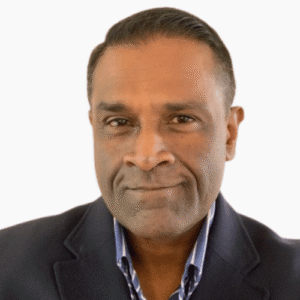
Tony Arulanandam
CEO/Co-Founder Synaptimmune Therapeutics
Seminars
T-cell engager programs are advancing toward the clinic, but developers face an important challenge in demonstrating efficacy and safety in a therapeutic class where traditional preclinical models often fail to predict human responses. Unlike oncology, where tumor killing can be readily measured, autoimmune TCEs must balance selective immune-cell depletion, cytokine control, and long-term disease modification in heterogeneous patient populations. This workshop will explore innovative approaches to generating more predictive translational data and overcoming bottlenecks in both preclinical and clinical development by:
- Advancing ex vivo and human-derived testing platforms to improve clinical predictability, exploring the use of patient-derived samples, diseased tissue models, organoid systems, and immune-cell co-culture assays to evaluate pharmacodynamic activity in settings that better reflect autoimmune biology
- Establishing translational frameworks for assessing efficacy and safety before firstin-human studies, examining which biomarkers, functional assays, and immunemonitoring approaches are most predictive of clinical outcomes
- Innovating patient recruitment and trial design for emerging autoimmune TCE programs, exploring approaches to identify appropriate patient subsets, leverage biomarker-driven enrolment strategies, and recruit patients with specific immunecell signatures most likely to benefit from targeted depletion therapies
As autoimmune T-cell engagers move beyond first-generation designs, many developers are encountering a common challenge, exhausted and dysfunctional T cells may limit the depth and durability of clinical responses. Co-stimulatory approaches have emerged as a promising strategy to enhance T-cell fitness, persistence, and efficacy, but questions remain around how much co-stimulation is needed and how to balance improved potency with cytokine release and safety risks.
This panel will discuss how co-stimulation could reshape the future of autoimmune therapy by:
- Understanding the biology of T-cell exhaustion and persistence, exploring the mechanisms driving reduced T-cell functionality in autoimmune patients and identifying opportunities to restore effective immune responses
- Evaluating emerging co-stimulatory strategies, comparing approaches leveraging CD28, CD2, 4 1BB, and other pathways to determine how they influence efficacy, durability, immune-cell depletion, and safety profiles
- Defining the optimal balance between potency and safety, discussing how co-stimulation can be integrated into nextgeneration engager designs to maximize clinical benefit while minimizing cytokine release syndrome, off-target activation, and long-term immune suppression