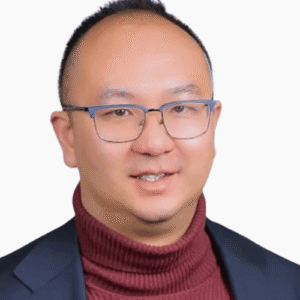
Michael Liao
Vice President, Clinical Pharmacology Third Arc Bio
Seminars
Wednesday 28th October 2026
Panel Discussion: Translating First-Wave Autoimmune T-Cell Engager Clinical Data into Safer, More Effective Next-Generation Therapies
9:30 am
As the first generation of autoimmune T-cell engagers advances through clinical development, the field is beginning to generate critical insights into safety management, depth of immune-cell depletion, patient selection, and long-term disease control. The key challenge now is determining which clinical learnings will truly differentiate successful therapies. Join clinical leaders, translational scientists, and developers of leading autoimmune T-cell engager programs as they discuss how emerging clinical evidence is reshaping drug design and development strategies by:
- Defining the clinical benchmarks for success, evaluating what early efficacy, safety, cytokine release syndrome, and durability data reveal about the therapeutic potential of T-cell engagers across different autoimmune diseases and patient populations
- Understanding the drivers of durable immune reset, exploring how depth of depletion and target biology, contribute to longterm remission, and identifying the biomarkers needed to predict sustained clinical benefit
- Translating clinical learnings into next-generation molecule design, discussing how insights from first-wave programs are informing improvements in target selection, construct engineering, dosing strategies, administration routes, and patient monitoring to enhance efficacy while minimizing treatment burden and safety risks
Wednesday 28th October 2026
Applying Clinical Pharmacology Learnings from Late-Stage CD3 Bispecific Programs to Optimize Early Autoimmune T-Cell Engager Development
12:00 pm
- Evaluating how clinical pharmacology insights from advanced CD3 bispecific programs can inform first-in-human study design, dose escalation strategies, cytokine release syndrome mitigation, and therapeutic window optimization in autoimmune disease settings
- Integrating pharmacokinetic, pharmacodynamic, and biomarker-driven approaches to better predict immune-cell depletion, target engagement, and early efficacy signals, enabling more informed and efficient clinical development decisions
- Leveraging translational and early human data from late-stage T-cell engager programs to refine patient selection, dosing paradigms, and safety monitoring frameworks that support accelerated development and improved patient outcomes