
1. What opportunities do you currently see for T-cell engagers in autoimmune disease?
TCEs, such as KT502 (CD19×CD3) & KT209 (CD19xCD20xCD3), developed by Kali Therapeutics, offer the potential for CAR-T-like efficacy in B-cell–driven autoimmune diseases that biologics cannot achieve, while providing a more convenient and safer option that allows for retreatment as needed.
2. How has the T-cell engager field evolved in recent years, particularly in terms of improving efficacy, safety and durability of response?
Unlike in oncology, TCE development in the autoimmune space is still early, with limited clinical data available; Kali Therapeutics and others in the field are determined to deliver what patients need.
3. Which approaches or strategies do you believe are most promising for overcoming challenges such as CRS, achieving deep B-cell depletion and enabling durable remission?
High-potency but reduced-T-cell-activation designs, like Kali’s CD3 masking platform, are purpose-built to address safety concerns such as CRS while still maintaining deep B-cell depletion.
4. What exciting work or developments are you looking forward to sharing at the Summit?
It's exciting that KT501 (CD19xBCMAxCD3), developed in collaboration with Sanofi, recently received IND clearance, validating the safety data generated in our first-in-human study in Australia and reflecting the strength of our CD3-masking platform in decoupling potency from toxicity; KT502 (CD19×CD3) & KT209 (CD19xCD20xCD3), built on the same masking platform, is also moving swiftly toward the clinic.
5. What are you most looking forward to at the 2nd T-Cell Engager for Autoimmune Disease Summit?
The Summit provides a highly energized platform, and Kali is looking forward to sharing scientific knowledge and experience with others as we work to move TCEs to patients as quickly as possible.

Min Bao,
Chief Medical Officer & Co-Founder
Kali Therapeutics
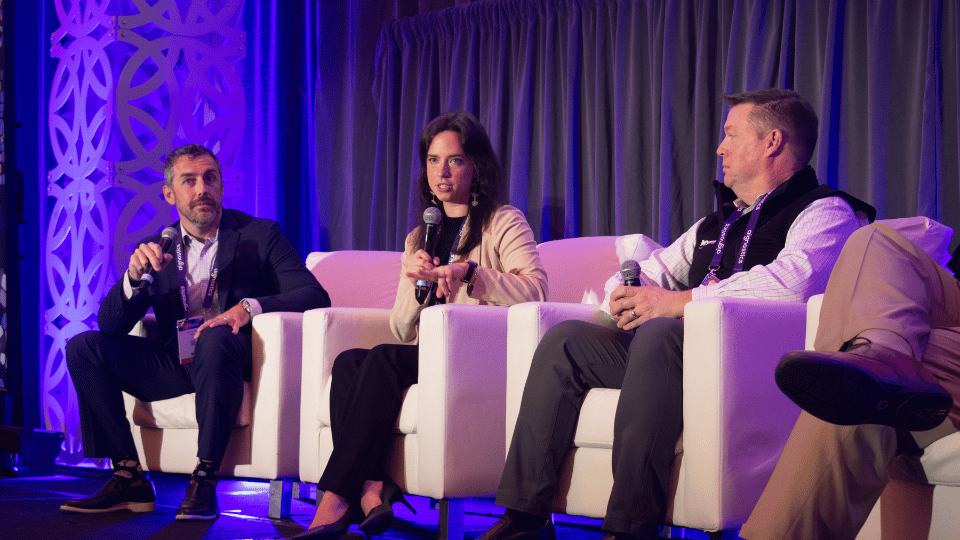
Explore the Agenda
Discover the latest strategies to engineer safer, more effective autoimmune T-cell engagers through expert-led case studies, clinical data presentations, panel discussions, and interactive workshops.
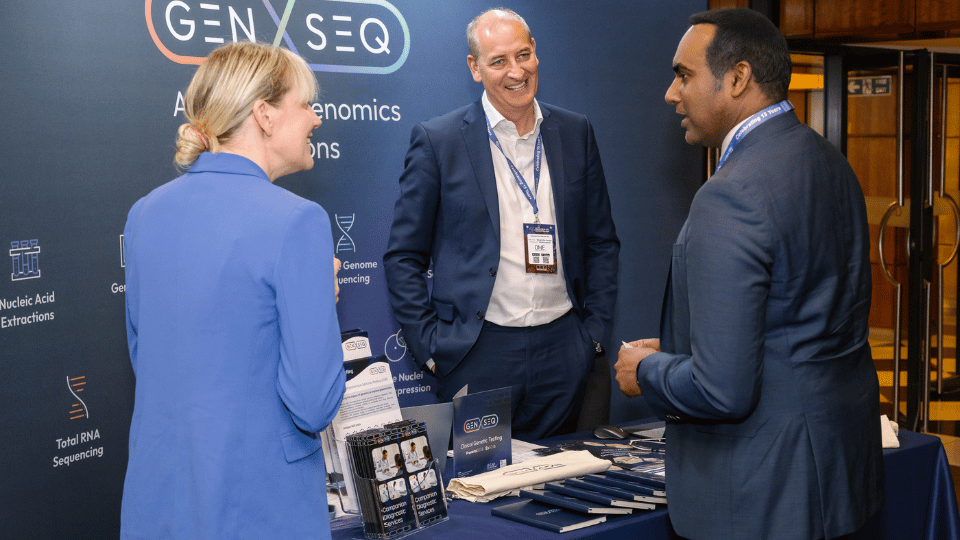
Partner With Us
Showcase your technologies, platforms, and services to biotech and pharma leaders actively developing next-generation autoimmune T-cell engagers and seeking partners to accelerate discovery, translation, and clinical success.
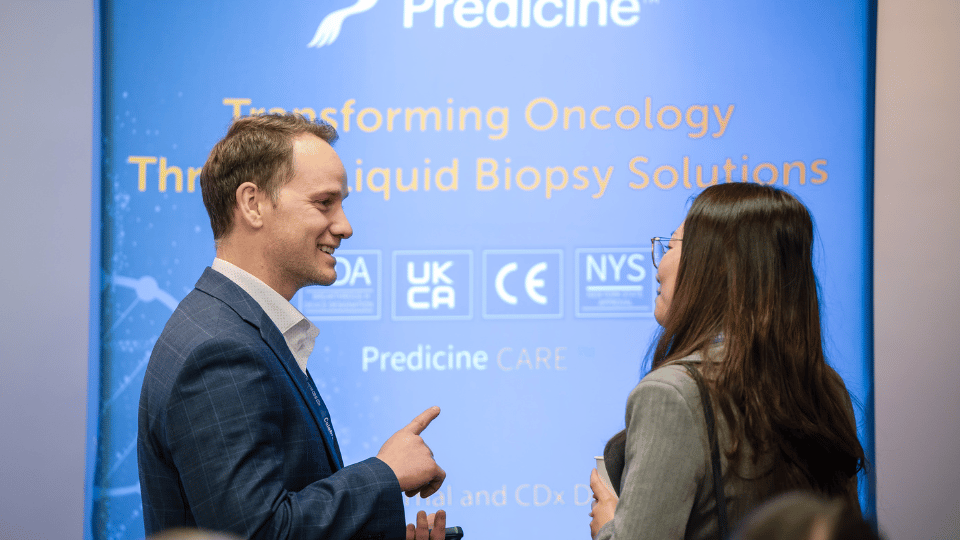
Join Autoimmune T-Cell Engager Leaders
Connect with discovery, translational, preclinical, and clinical experts driving the next generation of autoimmune T-cell engagers through innovation in target discovery, molecule engineering, and clinical development.