
1. What opportunities do you currently see for T-cell engagers in autoimmune disease?
TCEs in autoimmune disease are past proof-of-concept but not yet indication-optimized. The opportunity lies in optimizing dosing route, antigen breath and toxicity-adjusted regimen that make it viable outside of severe lupus nephritis.
2. How has the T-cell engager field evolved in recent years, particularly in terms of improving efficacy, safety and durability of response?
The field has shifted from one-size-fits-all pan T cell engagers with grade-2 CRS/ICANS as a class tox toward a toolkit approach to improve efficacy, safety and durability. The safety and durability are still in the working.
3. Which approaches or strategies do you believe are most promising for overcoming challenges such as CRS, achieving deep B-cell depletion and enabling durable remission?
For CRS, optimize dosing/CD3 affinity engineering are potentially deployable; for deep B cell depletion, dual antigen targeting is promising approach; for durable remission, sufficiently deep initial depletion by intensive dosing will be likely required for durability.
4. What exciting work or developments are you looking forward to sharing at the Summit?
We are working on alternative engagers for autoimmune to provide solutions for potentially improved safety and durability.
5. What are you most looking forward to at the 2nd T-Cell Engager for Autoimmune Disease Summit?
Hope to see updated clinical data on BCMAxCD3 TCE (eg Cizutamig) and trispecific engagers like BCMAxCD19XCD3, and new idea/concept/designs of novel TCEs at the event.
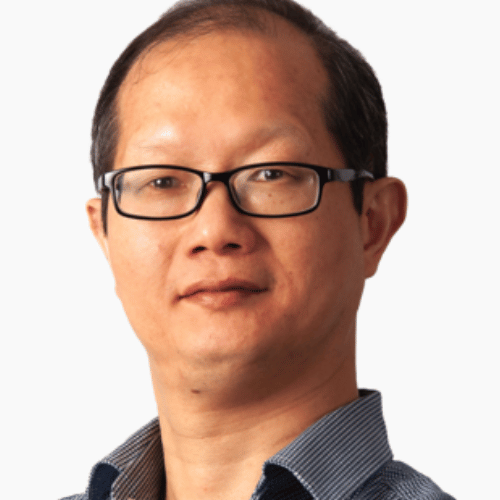
Xingfeng Bao,
Senior Vice President & Head of Research
GV20 Therapeutics LLC
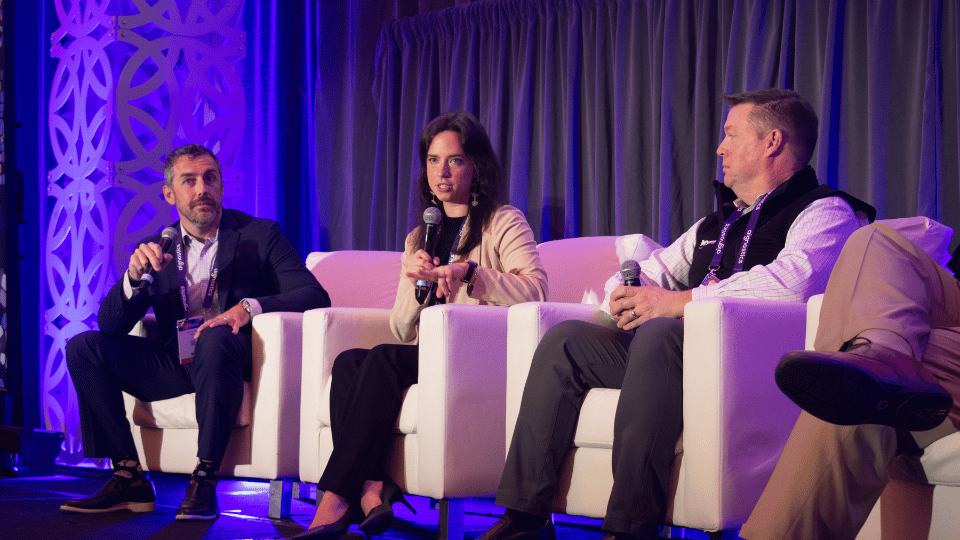
Explore the Agenda
Discover the latest strategies to engineer safer, more effective autoimmune T-cell engagers through expert-led case studies, clinical data presentations, panel discussions, and interactive workshops.
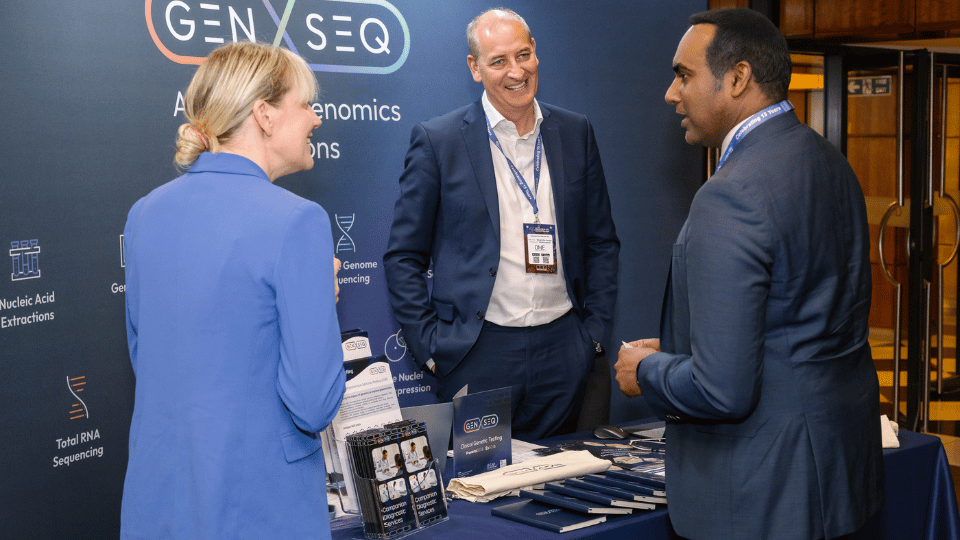
Partner With Us
Showcase your technologies, platforms, and services to biotech and pharma leaders actively developing next-generation autoimmune T-cell engagers and seeking partners to accelerate discovery, translation, and clinical success.
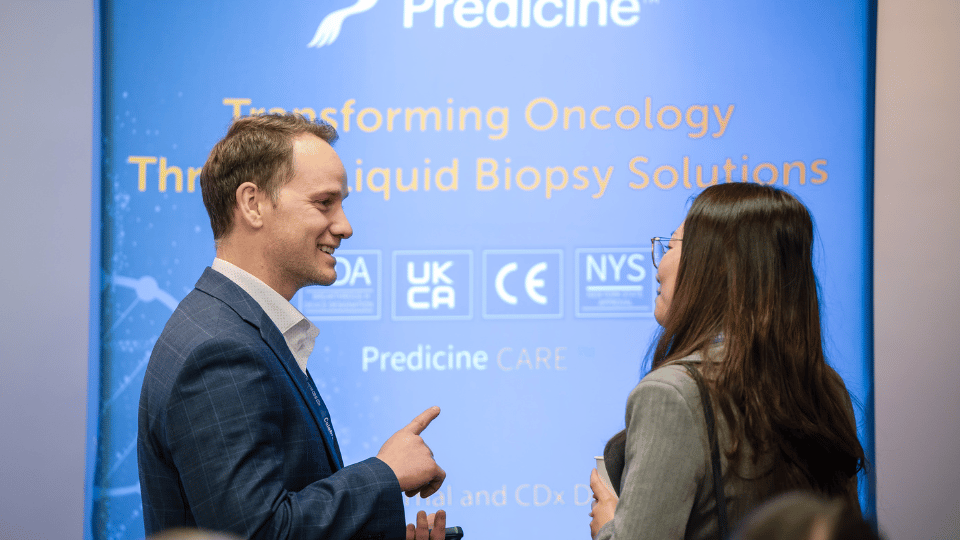
Join Autoimmune T-Cell Engager Leaders
Connect with discovery, translational, preclinical, and clinical experts driving the next generation of autoimmune T-cell engagers through innovation in target discovery, molecule engineering, and clinical development.