
What to Expect at the 2nd T-Cell Engager for Autoimmune Disease Summit?
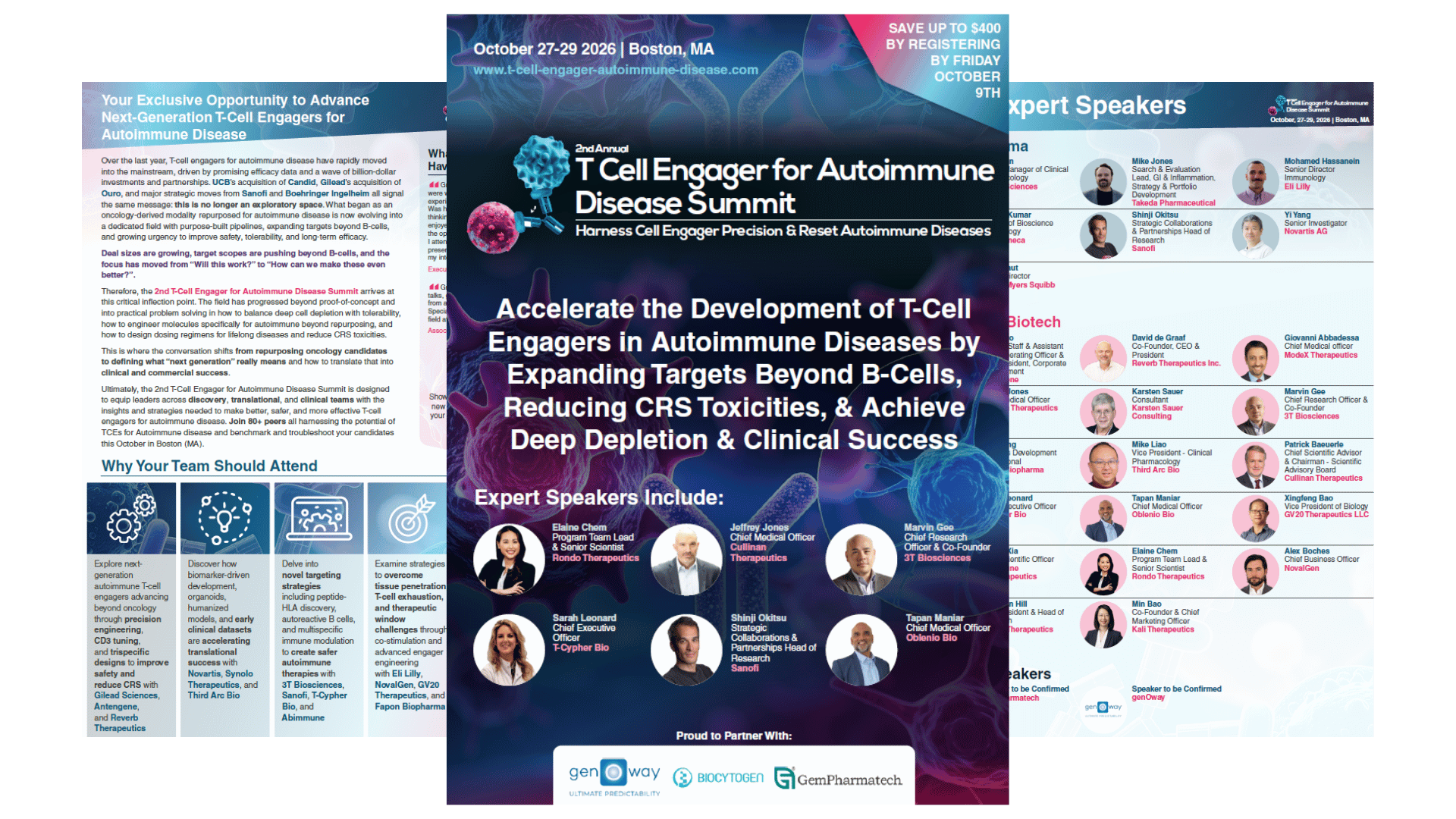
The 2nd T-Cell Engager for Autoimmune Disease Summit is designed to equip discovery, translational, preclinical, and clinical teams with the strategies needed to develop safer, more effective, and clinically differentiated T-cell engagers for autoimmune disease.
Join 80+ discovery scientists, immunologists, translational researchers, clinical developers, and biopharma leaders for three days of technical discussion focused on advancing autoimmune TCEs from early discovery through clinical development. As the field moves beyond proof-of-concept, developers face growing challenges around achieving deep, durable pathogenic immune-cell depletion while minimizing CRS, preserving healthy immunity, and maintaining long-term tolerability.
This year’s agenda explores next-generation engager architectures, CD3 tuning, co-stimulation, multispecific and logic-gated designs, tissue penetration, T-cell fitness, and precision targeting beyond broad B-cell depletion. Sessions will examine emerging approaches targeting plasma cells, autoreactive B cells, peptide-HLA targets, and other disease-driving immune populations while improving the therapeutic window.
The programme also tackles the critical translational and clinical challenges shaping development, including the limitations of traditional preclinical models, patient recruitment, biomarker selection, and patient stratification. Discover how patient-derived samples, organoids, humanized models, immune profiling, and biomarker-driven enrolment can improve candidate selection, dose optimization, and prediction of clinical response.
With expert-led case studies, emerging clinical data, interactive panel discussions, focused workshops, and 8+ hours of dedicated networking, this summit provides the scientific, translational, and strategic insights needed to confidently advance the next generation of autoimmune T-cell engager therapies.
What's New for 2026?
Engineering Safer Next-Generation Autoimmune T-Cell Engagers
As autoimmune T-cell engagers advance beyond oncology-derived designs, developers are focused on engineering molecules that deliver deep immune-cell depletion while minimizing cytokine release syndrome (CRS) and improving tolerability. Explore how innovations in CD3 tuning, trispecific formats, conditional activation, and immune synapse engineering are redefining the next generation of autoimmune TCEs.
With Expert Insights From:
- Scientists engineering next-generation T-cell engager platforms
- Leaders advancing CD3 bispecific, trispecific, and logic-gated approaches
- Translational experts optimizing therapeutic window and safety profiles
Accelerating Clinical Translation Through Predictive Models & Early Human Data
Successfully translating autoimmune T-cell engagers into the clinic requires predictive preclinical models, robust biomarkers, and early clinical insights. Discover how industry leaders are leveraging patient-derived models, humanized systems, biomarker-driven development, and clinical pharmacology to improve candidate selection, optimize dosing, and accelerate clinical success.
With Expert Insights From:
- Translational and clinical pharmacology leaders
- Experts advancing predictive preclinical and biomarker strategies
- Developers translating early clinical learnings into next-generation programs
Unlocking Precision Immune Targeting Beyond Broad B-Cell Depletion
As the field evolves, developers are expanding beyond conventional B-cell targets to unlock safer, more selective autoimmune therapies. Learn how peptide-HLA discovery, autoreactive B-cell targeting, plasma cell depletion, and multispecific immune modulation are enabling differentiated therapeutic approaches with greater precision and durability.
With Expert Insights From:
- Leaders pioneering precision target discovery platforms
- Experts developing multispecific and next-generation immune engagers
- Scientists advancing novel autoimmune target biology and immune modulation
Overcoming the Biological Barriers Limiting Durable Autoimmune Responses
Achieving durable disease remission requires more than peripheral immune-cell depletion. This session explores strategies to overcome tissue penetration challenges, T-cell exhaustion, and therapeutic window limitations through co-stimulation, autoregulatory engager designs, and advanced translational profiling to improve long-term efficacy.
With Expert Insights From:
- Researchers advancing co-stimulatory and autoregulatory TCE platforms
- Scientists tackling tissue penetration and immune persistence challenges
- Experts developing next-generation immune engineering strategies
Differentiating Autoimmune T-Cell Engagers for Clinical & Commercial Success
With the autoimmune T-cell engager landscape becoming increasingly competitive, developers must demonstrate meaningful differentiation while navigating evolving regulatory expectations. Explore strategies to optimize safety, biomarker-driven development, clinical trial design, and commercial positioning to successfully bring next-generation autoimmune TCEs to patients.
With Expert Insights From:
- Clinical and regulatory leaders shaping autoimmune TCE development
- Biotech innovators driving differentiated clinical strategies
- Experts navigating commercial positioning and competitive landscape discussions
Optimizing Dosing & Clinical Pharmacology for the Autoimmune TCE Therapeutic Window
As autoimmune T-cell engagers move into clinical development, defining the right dose and schedule is critical to balancing targeted immune-cell depletion, CRS management, and sustained therapeutic activity. Explore how developers are using clinical pharmacology, PK/PD relationships, biomarkers, and early human data to optimize dose escalation, administration strategies, safety monitoring, and long-term treatment approaches for chronic autoimmune disease.
With Expert Insights From:
- Clinical pharmacology leaders designing first-in-human and dose-escalation strategies
- Experts leveraging PK/PD, biomarkers, and immune monitoring to guide dose optimization
- Developers balancing therapeutic exposure, CRS management, and durable immune-cell depletion
Explore the Full Event Guide
- 15+ New Expert Speakers Sharing Exclusive Insights Across Discovery, Translational, Clinical, and Regulatory Development for Autoimmune T-Cell Engagers
- 8+ Hours of Dedicated Networking Opportunities Including Speed Networking, Interactive Roundtables, Poster Sessions, and Collaborative Discussion Sessions
- 2 Deep-Dive Workshops Focused on TCE Engineering, CRS Mitigation, Translational Modelling, and Clinical Development Strategies
- New Clinical Data-Focused Sessions Within the “Illuminating TCEs in the Clinic for Autoimmune Disease” Theme Highlighting Emerging Safety, Efficacy, and Dosing Learnings
- Expanded Discussions on Precision Target Discovery, Co-Stimulation, Tissue Penetration, and Next-Generation Immune Modulation Strategies Driving the Future of Autoimmune TCEs
New Companies for 2026
Explore the Agenda
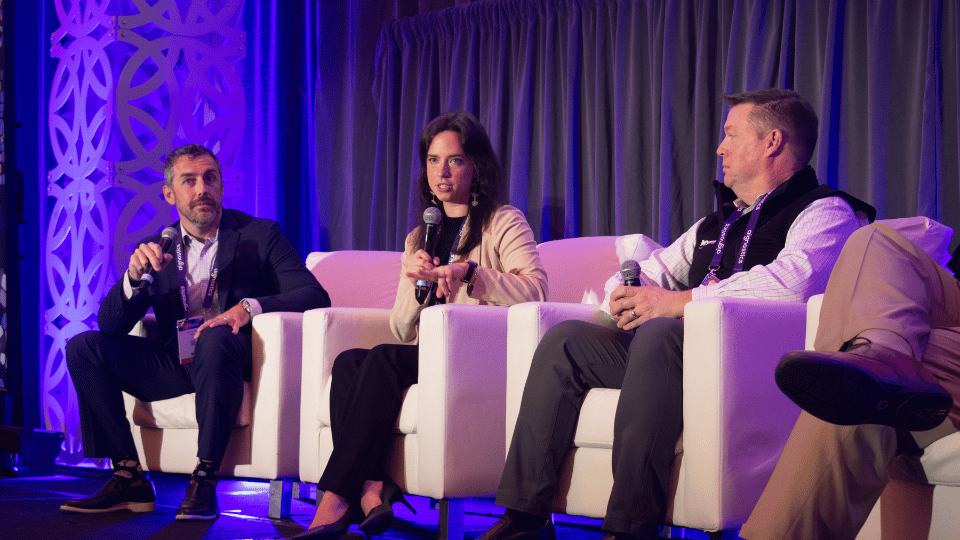
Discover the latest strategies to engineer safer, more effective autoimmune T-cell engagers through expert-led case studies, clinical data presentations, panel discussions, and interactive workshops.
Partner With Us
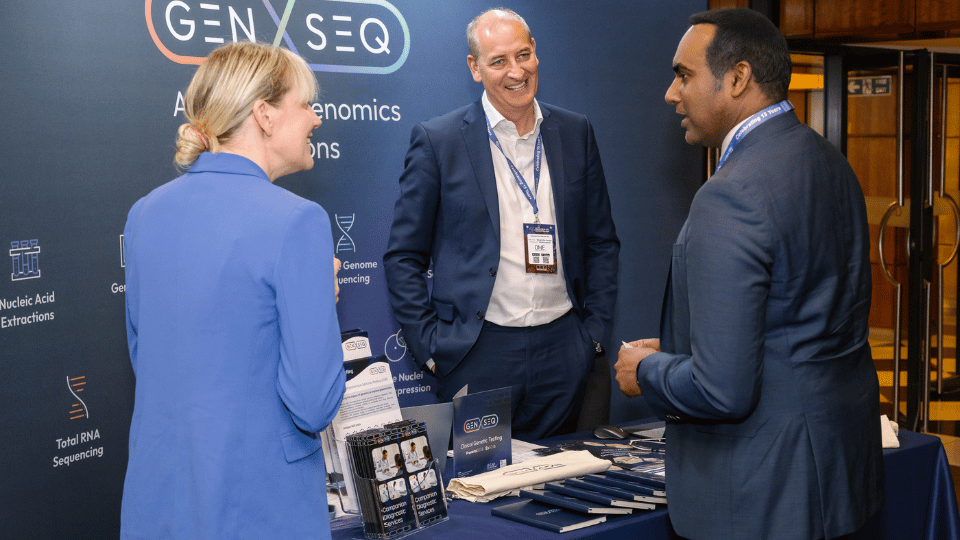
Showcase your technologies, platforms, and services to biotech and pharma leaders actively developing next-generation autoimmune T-cell engagers and seeking partners to accelerate discovery, translation, and clinical success.
Join Autoimmune T-Cell Engager Leaders
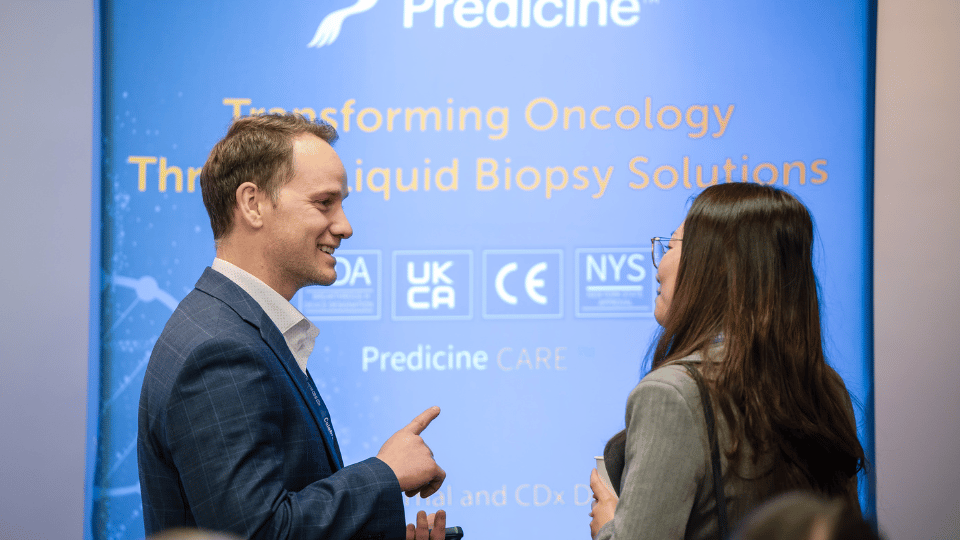
Connect with discovery, translational, preclinical, and clinical experts driving the next generation of autoimmune T-cell engagers through innovation in target discovery, molecule engineering, and clinical development.